
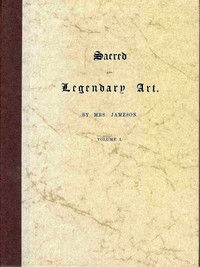
Sacred and legendary art, volume 1 (of 2) by Mrs. Jameson
Published in 1848, Sacred and Legendary Art isn't a novel with a plot in the traditional sense. Instead, it's a meticulously researched guidebook to the stories behind the art. Mrs. Jameson organizes her exploration by grouping saints and biblical figures, dedicating chapters to figures like the Apostles, the Virgin Mary, and popular martyrs.
The Story
The 'story' is the journey of discovery itself. Jameson acts as your curator, walking you through the common artistic representations of each holy figure. She explains their standard attributes—the objects they hold, the scenes they're depicted in—and then unpacks the legendary tales that explain those symbols. Where did the story of Saint George and the dragon come from? Why is Saint Bartholomew often shown with a flaying knife? She traces these narratives back through medieval writings, local folklore, and sometimes earlier pagan myths that were absorbed into Christian tradition. The book reveals how art served as a massive, visual storytelling system for a largely illiterate population.
Why You Should Read It
What makes this old book so compelling is Jameson's voice. She writes with the enthusiasm of a detective solving a puzzle. You can feel her delight in tracking down an obscure version of a saint's tale or clarifying a confusing symbol. It transforms art viewing from a passive act into an active treasure hunt. Reading this, you'll never look at a medieval manuscript or a Gothic stained-glass window the same way again. You'll start to recognize the 'cast of characters' and understand the narratives frozen in paint and stone. It gives you a powerful lens to see the past, not as a collection of static images, but as a vibrant, story-driven culture.
Final Verdict
This is a perfect read for curious travelers, museum-goers, history lovers, or anyone who enjoys mythology and folklore. It's especially great if you plan to visit historic churches or European art galleries. Be aware it's a product of its time—the language is Victorian and the perspective is entirely Christian-focused. But if you can settle into its rhythm, it's an incredibly rewarding and unique key to understanding Western art. Think of it as the original, deeply passionate blog post that makes an entire world of art suddenly make sense.
This publication is available for unrestricted use. You do not need permission to reproduce this work.
Paul Hill
1 year agoTo be perfectly clear, it creates a vivid world that you simply do not want to leave. Exceeded all my expectations.