
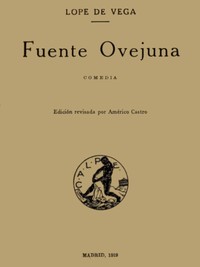
Fuente Ovejuna by Lope de Vega
First published in 1619, Fuente Ovejuna is based on real historical events from 1476. Lope de Vega takes that kernel of truth and turns it into a thrilling and timeless drama.
The Story
The play is set in the village of Fuente Ovejuna, under the control of Commander Fernán Gómez. He's a nasty piece of work—arrogant, entitled, and cruel. He treats the villagers like his property, harassing the women and disrespecting the men. The final straw comes when he assaults Laurencia, a young woman about to be married, and abducts another. The village, pushed past its limit, has had enough. Led by Laurencia and her fiancé Frondoso, the men and women of the town rise up. In a furious act of rebellion, they storm the commander's residence and kill him.
When a royal judge arrives to find the murderer, he's met with a wall of solidarity. Every villager, even children under torture, gives the same answer: 'Fuente Ovejuna did it.' Faced with this incredible unity, the king and queen are left with a profound dilemma about justice and power.
Why You Should Read It
What blew me away wasn't the violence of the revolt, but the breathtaking solidarity that follows. This isn't a story about one hero. It's about everyone becoming the hero. Laurencia's speech, rallying the village women to fight, is one of the most electrifying calls to action I've ever read. Lope de Vega makes you feel the shift from fear to collective courage.
The central question—is it right to overthrow a tyrant?—feels incredibly current. But the play goes deeper, asking if a community's shared conscience can be stronger than a king's law. It’s about the birth of a people's identity.
Final Verdict
This is a perfect pick for anyone who loves stories about underdogs, justice, and the power of community. If you enjoyed the collective spirit of Les Misérables or the moral puzzles in classic tragedies, you'll find a fast-paced friend here. It’s also a great, accessible entry point into classic Spanish Golden Age theater—it’s short, the conflict is immediate, and the themes are universal. Don't let the 1600s publication date scare you off; the people of Fuente Ovejuna have a very modern demand: respect.
This publication is available for unrestricted use. Knowledge should be free and accessible.
Thomas Brown
6 months agoI've gone through the entire material twice now, and the emphasis on ethics and sustainability within the topic is commendable. This is a solid reference for both beginners and experts.
Amanda King
3 months agoI have to admit, the author's voice is distinct and makes complex topics easy to digest. Thanks for sharing this review.










David Harris
1 year agoRight from the opening paragraph, the objective evaluation of the pros and cons is very refreshing. A refreshing and intellectually stimulating read.